Texas Persimmon
Diospyros texana
Other Common Names: Mexican Persimmon, Black Persimmon
Top Pick: A drought-tough Texas native with striking pale bark, edible dark fruit, and excellent value for wildlife.
Quick Plant Info
- ☀️ Light: Full Sun to Part Shade
- 💧 Water: Low
- 🌿 Type: Small Tree / Large Shrub
- 📏 Mature Size: Approximately 10–20 ft tall × 8–15 ft wide
Plant Traits
Native Status
Texas Native
Wildlife Value
Fruit for Birds and Other Wildlife, Cover, Pollinator Support
Garden Use
Specimen Tree, Wildlife Garden, Xeriscape, Designed Native Landscape
Growth Behavior
Small Tree or Large Shrub
Seasonal Interest
Spring Flowers, Summer–Fall Fruit, Attractive Bark
Description
A beautiful Texas native known for its smooth pale bark, dark edible fruit, and exceptional drought tolerance.
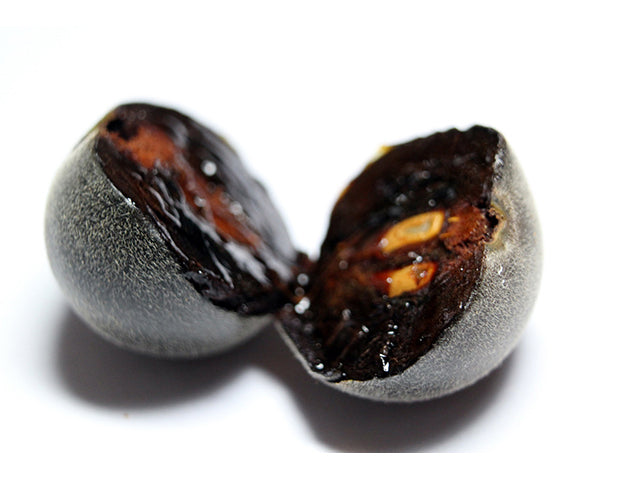
Texas Persimmon is a small tree or large shrub with dense dark foliage and distinctive smooth gray bark that can peel to reveal lighter shades of white, gray, and pink beneath. Small pale flowers appear in spring, followed on female plants by rounded fruit that ripens to deep purple-black.
The combination of sculptural bark, compact size, edible fruit, and excellent heat tolerance makes Texas Persimmon equally valuable in wildlife-oriented landscapes and more intentionally designed native gardens.
🌼 Why it works
- Texas-native small tree
- Extremely drought tolerant once established
- Attractive smooth, exfoliating bark
- Edible ripe fruit
- Fruit provides food for birds and other wildlife
- Excellent for rocky and limestone-based soils
- Compact enough for many residential landscapes
🐦 Wildlife value
The ripe fruit is eaten by birds and other wildlife, while the dense branching provides useful cover. Flowers also support visiting insects.
🍇 Edible use
Fully ripe Texas Persimmon fruit is edible and has a sweet flavor, although it is much smaller and seedier than cultivated Asian or American persimmons. The dark pulp can stain hands, clothing, and hard surfaces.
🌱 Where it thrives
Texas Persimmon performs best in full sun but tolerates some shade. It is especially well adapted to hot, dry, rocky, and limestone-based sites.
- Native specimen plantings
- Wildlife gardens
- Xeriscapes
- Rocky or limestone sites
- Designed native landscapes
Soil: Best adapted to well-drained clay, loam, rocky, and limestone-based soils.
✂️ Growth & maintenance
Texas Persimmon is generally low maintenance once established. Plants may develop as single-trunk trees or multi-stemmed shrubs depending on pruning and growing conditions.
💧 Water (establishment note)
Water regularly during establishment. Mature plants are highly drought tolerant and generally need little supplemental irrigation once established.
Important Notes
Texas Persimmon plants are typically either male or female. Female plants produce fruit only when successfully pollinated, so fruit production cannot be guaranteed when planting a single young plant of unknown sex.
Pickup Information
Order online and select a pickup time at checkout. Plants are held for your scheduled pickup window.
View Plant Sale Information & Policies