-

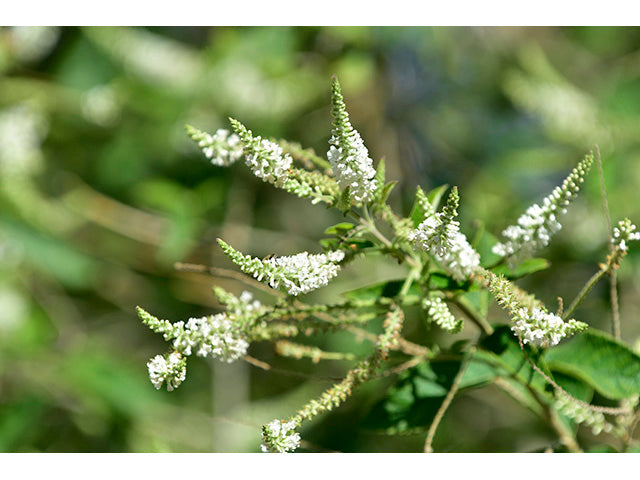
Beebrush / Photo Credit: Gene Sturla

Beebrush (Aloysia gratissima)
Beebrush (Aloysia gratissima)
15 in stock
Couldn't load pickup availability
Beebrush
Aloysia gratissima
Other Common Names: Whitebrush, Bee-brush
Top Pick: A remarkably tough Texas-native shrub with fragrant white flowers, a long bloom season, and exceptional value for bees and other pollinators.
Quick Plant Info
- ☀️ Light: Full Sun to Part Shade
- 💧 Water: Low to Medium
- 🌿 Type: Perennial Shrub
- 📏 Mature Size: Approximately 6–12 ft tall × 6–8 ft wide
Plant Traits
Description
A fragrant Texas-native shrub that comes alive with pollinators when it blooms.
Beebrush is a tough, drought-tolerant shrub with small leaves and masses of tiny white flowers with a sweet, vanilla-like fragrance. Flowering can occur repeatedly from spring through fall, with especially strong flushes following rainfall.
The flowers attract an impressive number of bees and other nectar-feeding insects. Its open, somewhat informal growth habit makes Beebrush particularly useful in wildlife gardens, native hedges, screens, and naturalized landscapes.
🌼 Why it works
- Excellent nectar source for bees and other pollinators
- Long flowering season from spring through fall
- Sweetly fragrant flowers
- Highly drought tolerant once established
- Adaptable to a wide range of Texas soils
- Can be pruned as a hedge or allowed to grow naturally
🐦 Wildlife value
Beebrush is especially valuable as a nectar plant for bees and other pollinating insects. Butterflies also visit the flowers, while the plant provides fruit, cover, and nesting habitat for wildlife.
🌱 Where it thrives
Beebrush grows in full sun to part shade and adapts to a wide variety of soils. Flowering is typically heaviest in full sun and often increases following rainfall.
- Pollinator gardens
- Wildlife habitat plantings
- Native hedges and screens
- Naturalized landscapes
- Dry and rocky sites
Soil: Adaptable to clay, loam, sand, limestone, and rocky soils. Established plants tolerate dry conditions well.
✂️ Growth & maintenance
Beebrush can develop an informal, somewhat rangy form if left unpruned. It tolerates pruning well and can be shaped into a fuller shrub or hedge. Plants may also produce multiple stems from the base and can eventually form thickets where conditions are favorable.
💧 Water (establishment note)
Water regularly during establishment. Once established, Beebrush is drought tolerant, although rainfall or supplemental water can trigger additional flowering.
Important Notes
Beebrush is reported to be poisonous to horses, mules, and burros. Consider placement where grazing livestock may have access to the plant.
Pickup Information
Order online and select a pickup time at checkout. Plants are held for your scheduled pickup window.