-

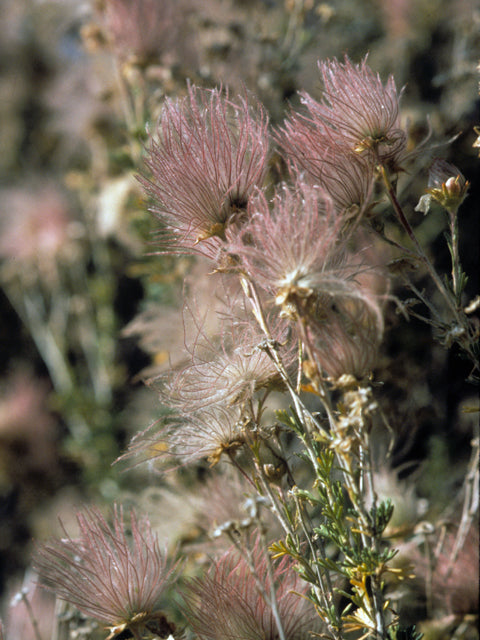
Apache Plume / Photo credit: Betty Alex
-

Apache Plume / Photo credit: Campbell and Lynn Loughmiller
-

Apache Plume / Photo credit: Sally and Andy Wasowski


Apache Plume (Fallugia paradoxa)
Apache Plume (Fallugia paradoxa)
Low stock: 4 left
Couldn't load pickup availability
Apache Plume
Fallugia paradoxa
Top Pick: A drought-tolerant Texas native shrub with delicate white flowers and extraordinary feathery seed plumes that bring texture, movement, and long-lasting interest to sunny landscapes.
Quick Plant Info
- ☀️ Light: Full Sun
- 💧 Water: Low
- 🌿 Type: Perennial Shrub
- 📏 Mature Size: Approximately 3–6 ft tall × 3–6 ft wide
Plant Traits
Description
Delicate white flowers followed by clouds of feathery plumes—one of the Southwest's most distinctive native shrubs.
Apache Plume is a drought-tolerant, woody shrub native to the southwestern United States, including West Texas. Its small, white, five-petaled flowers resemble miniature wild roses and appear primarily from spring through summer, with additional flowering possible when conditions are favorable.
After flowering, the plant develops its signature feature: clusters of long, silky, pinkish seed styles that create a soft, feathery appearance. These decorative plumes persist beyond the flowers and add movement and texture to the landscape.
With its airy branching habit and fine-textured foliage, Apache Plume is particularly attractive in naturalistic gardens, xeriscapes, and contemporary native landscapes.
🌼 Why it works
- Delicate white, rose-like flowers
- Unusual pinkish-silver feathery seed plumes
- Provides pollen and nectar resources for native bees and other insects
- Exceptional drought tolerance once established
- Excellent heat tolerance
- Beautiful texture and movement in designed landscapes
- Useful as an accent shrub or informal screen
- Long seasonal interest from flowers and seed plumes
🐝 Wildlife value
Apache Plume provides floral resources for native bees and other pollinating insects. Its open flowers offer accessible pollen, making it especially valuable in gardens designed to support a diversity of native pollinators.
The shrub's branching structure can also provide shelter for small wildlife. Its primary documented ecological contribution in gardens is its value to pollinating insects.
🌱 Where it thrives
Apache Plume performs best in full sun and well-drained soil. It is naturally adapted to dry, rocky environments and generally performs poorly in locations with prolonged wet soil.
- Xeriscapes and low-water landscapes
- Rock and gravel gardens
- Sunny pollinator gardens
- Naturalistic shrub borders
- Informal hedges
- Designed native landscapes
- Hot, exposed planting areas
Soil: Prefers well-drained rocky, gravelly, sandy, or limestone-influenced soils. In heavy North Texas clay, choose an elevated or amended planting area with reliable drainage.
✂️ Growth & maintenance
Apache Plume generally requires little maintenance once established. Light pruning can be used to shape the plant or remove older, damaged branches.
It naturally develops an open, somewhat irregular form rather than a tightly rounded shape. Allow enough space for its mature width and avoid excessive shearing.
In favorable conditions, Apache Plume may produce root suckers and gradually spread beyond its original planting area. Remove unwanted shoots if a more contained planting is desired.
💧 Water (establishment note)
Water periodically during establishment, allowing the soil to dry between waterings. Once established, Apache Plume is highly drought tolerant and generally needs little supplemental irrigation.
Important Notes
Apache Plume is best suited to well-drained locations. Avoid poorly drained clay soils and areas receiving frequent irrigation.
Its naturally open growth habit and potential to produce root suckers should be considered when selecting a planting location.
Pickup Information
Order online and select a pickup time at checkout. Plants are held for your scheduled pickup window.