-

-

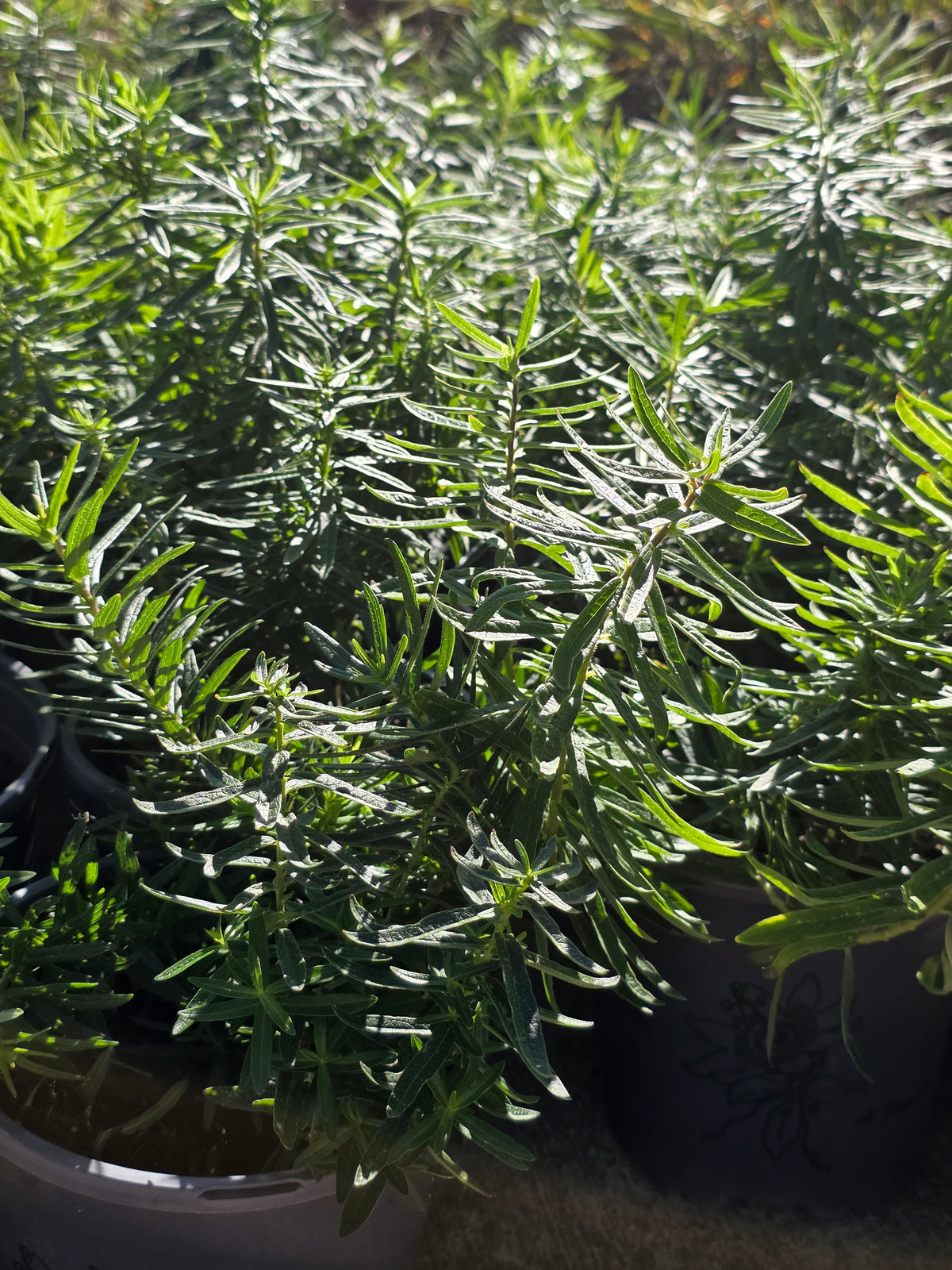
Butterfly Milkweed - Vegetative State 1 gal / Photo Credit: Michaela Kral


Butterfly Milkweed (Asclepias tuberosa)
Butterfly Milkweed (Asclepias tuberosa)
26 in stock
Couldn't load pickup availability
Butterfly Milkweed
Asclepias tuberosa
Other Common Names: Butterfly Weed, Orange Milkweed
Top Pick: A showy native milkweed with brilliant orange flowers that supports monarch caterpillars while providing nectar for butterflies, bees, and other pollinators.
Quick Plant Info
- ☀️ Light: Full Sun
- 💧 Water: Low
- 🌿 Type: Perennial Milkweed
- 📏 Mature Size: Approximately 1–2.5 ft tall × 1–2 ft wide
Plant Traits
Description
One of the showiest native milkweeds — and an important host plant for monarch caterpillars.
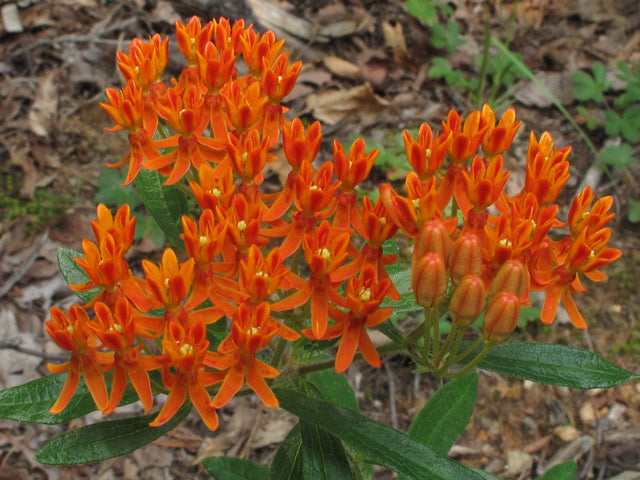
Butterfly Milkweed is a compact native perennial known for clusters of brilliant orange flowers held above sturdy green stems. Its combination of intense color, manageable size, drought tolerance, and wildlife value makes it equally at home in a pollinator garden or a more formally designed landscape.
As a native milkweed, it serves as a larval host for monarch and queen butterflies. Adult butterflies, bees, and other pollinators also visit the flowers for nectar.
🦋 Milkweed & monarchs
Monarch caterpillars can eat only milkweeds and a small group of closely related plants. Planting native milkweeds such as Butterfly Milkweed provides the foliage monarchs need to complete the caterpillar stage of their life cycle.
Don't be alarmed if caterpillars eat substantial portions of the foliage. A chewed milkweed is often a milkweed doing exactly what it was planted to do.
🌼 Why it works
- Native host plant for monarch and queen caterpillars
- Brilliant orange flower clusters
- Excellent nectar source for butterflies and other pollinators
- Compact enough for conventional perennial borders
- Excellent heat and drought tolerance once established
- Works in prairie, meadow, pollinator, and designed landscapes
- Deep-rooted and long-lived when planted in the right location
- Decorative seed pods provide additional seasonal interest
🐦 Plants for birds
Butterfly Milkweed's value extends beyond butterflies. Caterpillars and other insects supported by native plants become important food for birds, particularly during nesting season when many young birds require insect-rich diets.
Adding native host plants helps connect a garden to the larger food web rather than providing flowers alone.
🌱 Where it thrives
Butterfly Milkweed performs best in full sun and well-drained soil. Its deep root system makes established plants highly drought tolerant, but it also means plants prefer to remain undisturbed once established.
- Butterfly gardens
- Pollinator gardens
- Prairies and meadows
- Sunny perennial borders
- Low-water landscapes
- Designed native gardens
Soil: Prefers well-drained soil and tolerates relatively lean, dry conditions. Avoid locations that remain consistently wet.
✂️ Growth & maintenance
Butterfly Milkweed develops a substantial taproot and can be slow to establish compared with some garden perennials. Once established, however, it is durable and requires little maintenance.
Plants emerge relatively late in spring, so mark their location to avoid accidentally disturbing them while they are dormant.
Seed pods may be left to mature if natural reseeding is desired or removed before opening to limit seedlings.
💧 Water (establishment note)
Water regularly during establishment while allowing the soil to drain between waterings. Once established, Butterfly Milkweed is highly drought tolerant and generally requires little supplemental irrigation.
Important Notes
Milkweeds contain compounds that can be harmful if eaten in significant quantities. They should not be treated as edible plants and should be placed appropriately where accidental ingestion by people or pets is a concern.
Pickup Information
Order online and select a pickup time at checkout. Plants are held for your scheduled pickup window.